Singapore Is Now Super-Aged: What It Means for How We Stay Active
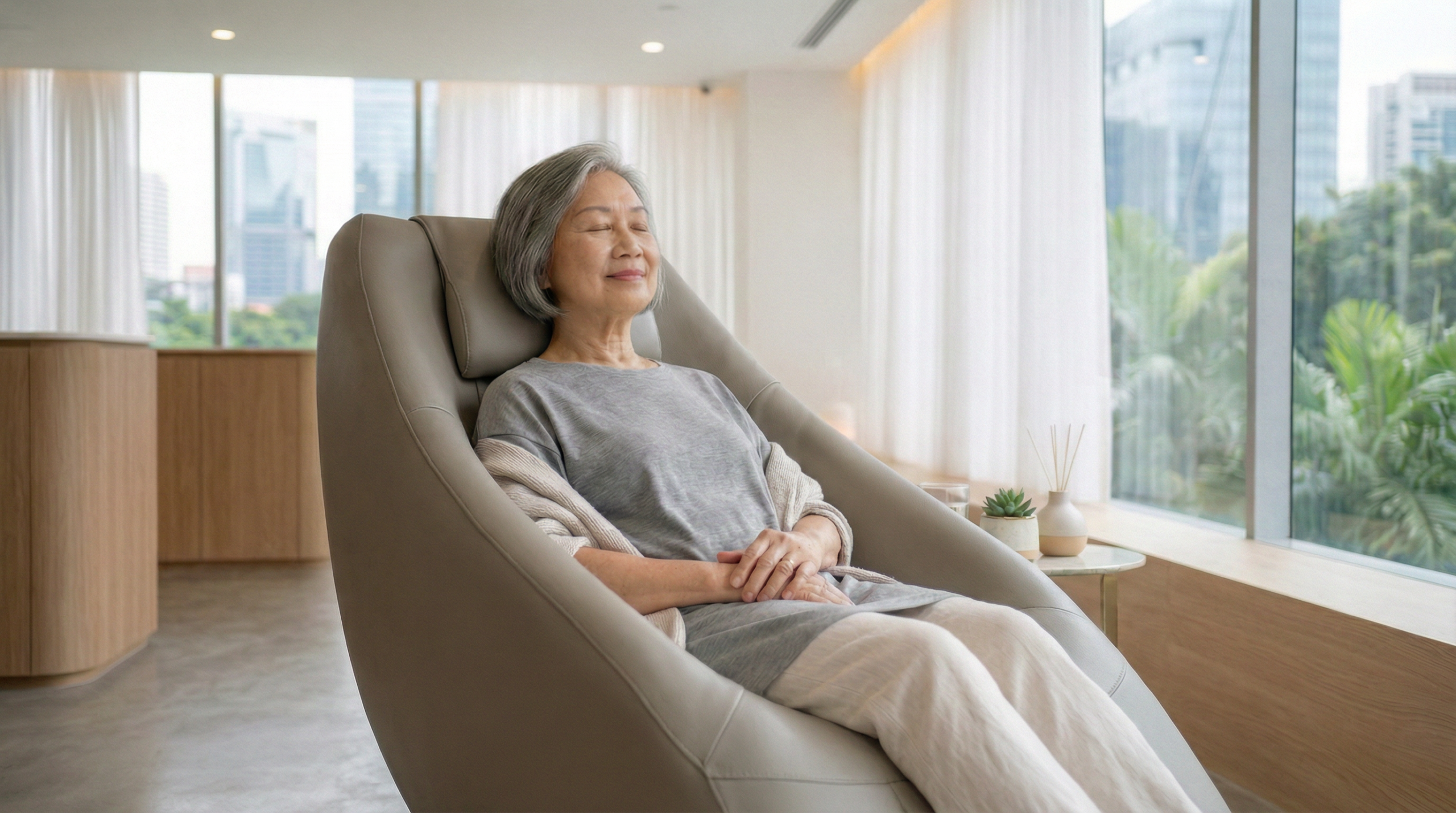
In 2026, Singapore officially crosses a milestone that demographers have been tracking for years: becoming a "super-aged" society, where at least one in five residents is aged 65 or older.
As of mid-2024, 19.9% of Singaporeans were already in that age group — and the number is still climbing. The infrastructure response has been substantial: Active Ageing Centres, eldercare subsidies, mobility-friendly public spaces. But there is one question that infrastructure alone cannot answer.
How does an older adult actually stay physically capable, independent, and unburdened by decline — especially when conventional exercise is no longer an option?
That question is at the heart of what we do at Vibrahealth. And it has never been more urgent.
📖 This post was written in response to a CNA investigation into Singapore's super-aged milestone published in 2026. We recommend reading it alongside this piece.
The Real Fear Behind the Super-Aged Statistic
Talk to any older Singaporean about ageing and a common theme emerges: not the fear of death, but the fear of becoming a burden — to children, to caregivers, to the healthcare system.
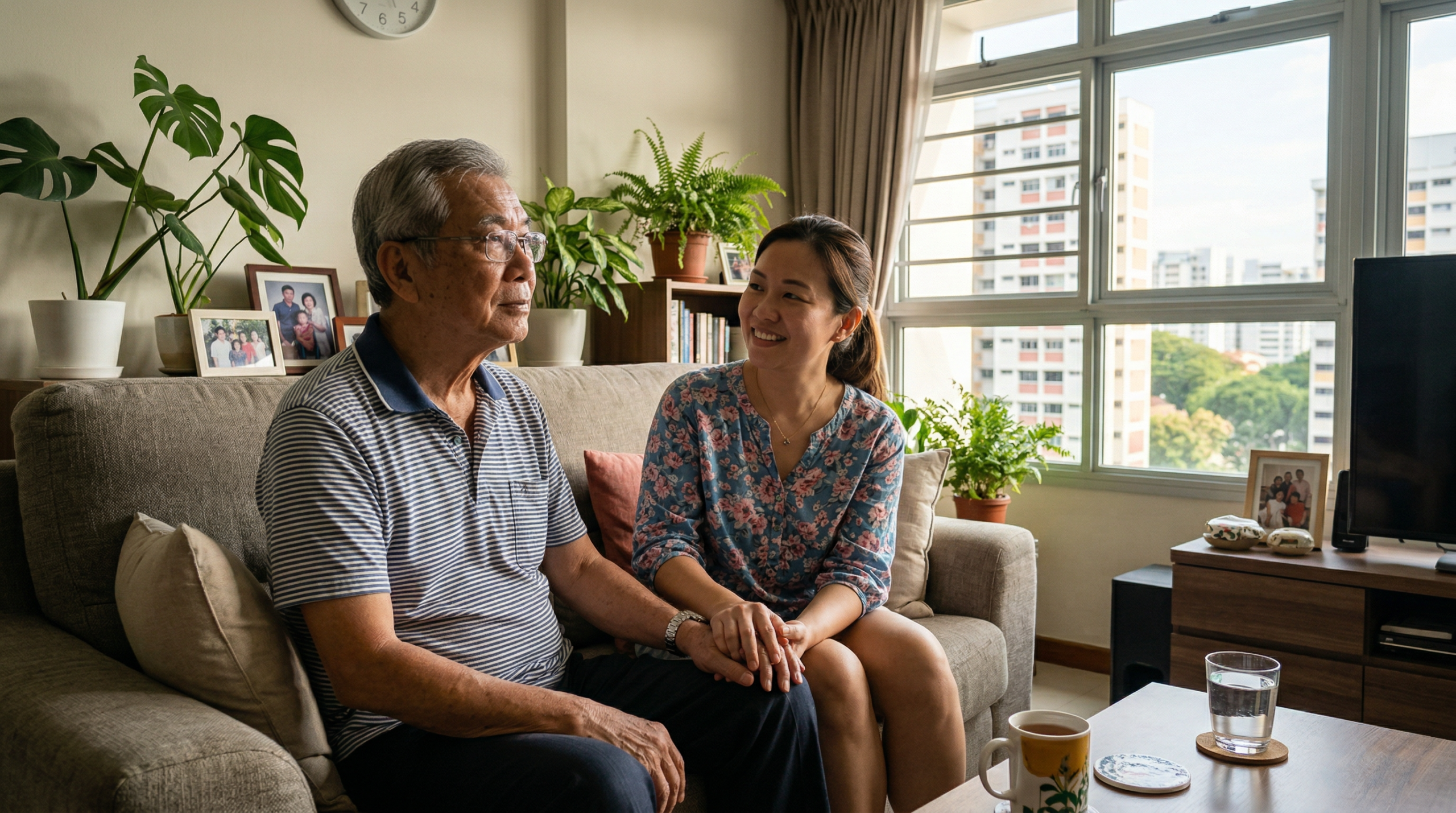
That fear is grounded in something physical. When the body weakens — when climbing stairs becomes a negotiation, when a walk to the hawker centre feels risky, when a fall becomes a life-changing event — independence slips away. The psychological toll of that loss is enormous.
The government's 2023 Action Plan for Successful Ageing is built around three pillars: physical and mental well-being, continued contribution to society, and staying connected to loved ones. But all three pillars depend on a foundation that is often overlooked: the ability to move safely and with confidence.
Why "Just Exercise More" Is Not Good Enough Advice
The standard recommendation for older adults is to stay active. Walk more. Join an exercise class. Use the gym. The intention is right. The advice often is not.
Here is the reality for many Singaporeans aged 65 and above:
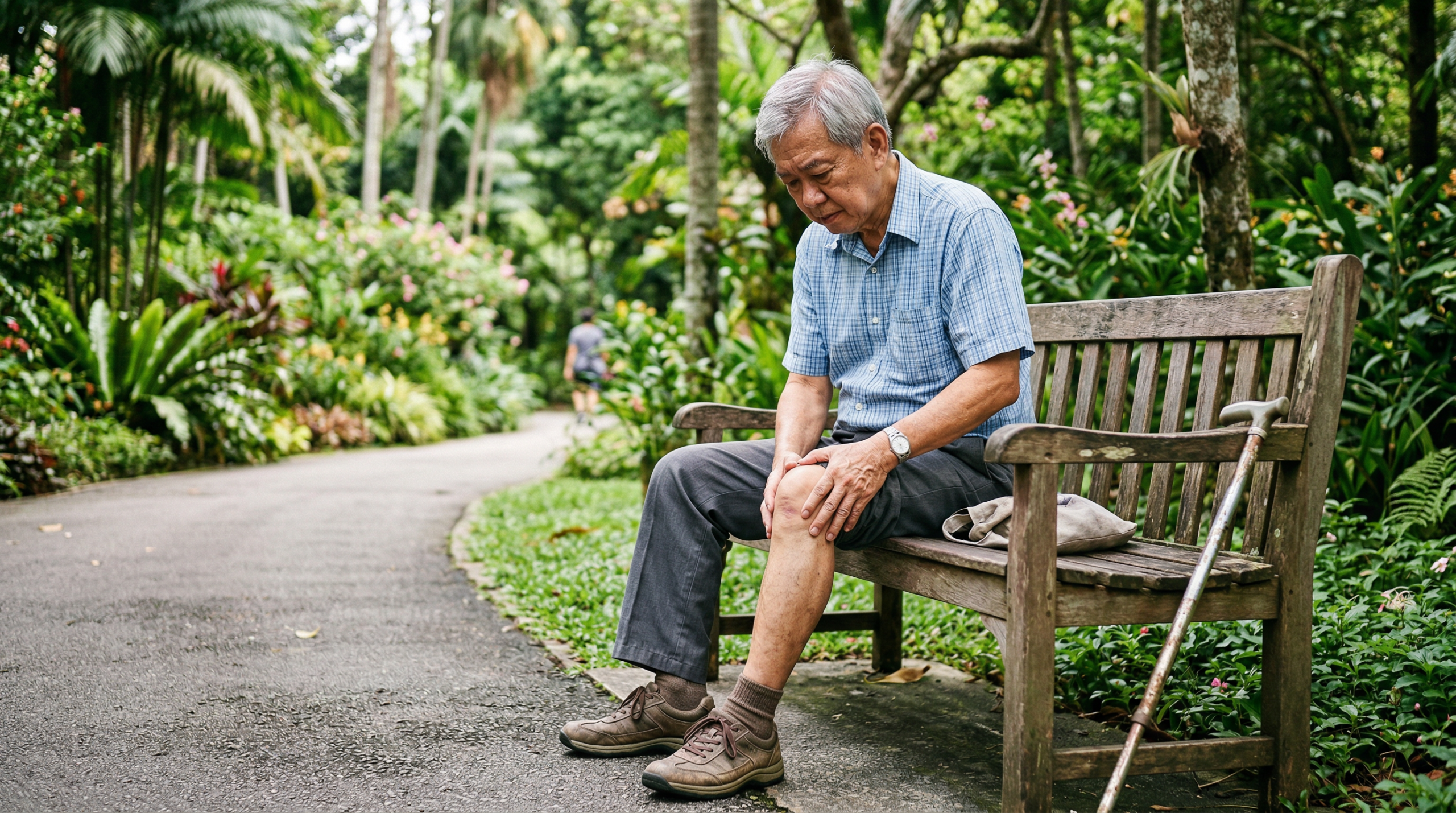
- Osteoarthritis affects roughly 1 in 8 Singaporeans — and the prevalence rises sharply with age. Impact exercise accelerates joint deterioration.
- Sarcopenia (age-related muscle loss) begins in the 40s and accelerates after 65. Without targeted intervention, older adults lose 3–8% of muscle mass per decade.
- Fear of falls is a genuine barrier. One in three adults over 65 falls each year. Many reduce activity specifically to avoid falling — which then accelerates the very decline they fear.
- Chronic fatigue, heart conditions, and post-surgical recovery make conventional aerobic exercise medically unsuitable for a large proportion of older adults.
Telling someone with knee osteoarthritis and a fear of falling to "just go for walks" is not a wellness solution. It is a prescription for anxiety.
What Is Whole Body Vibration — And Why Does It Matter for Ageing?
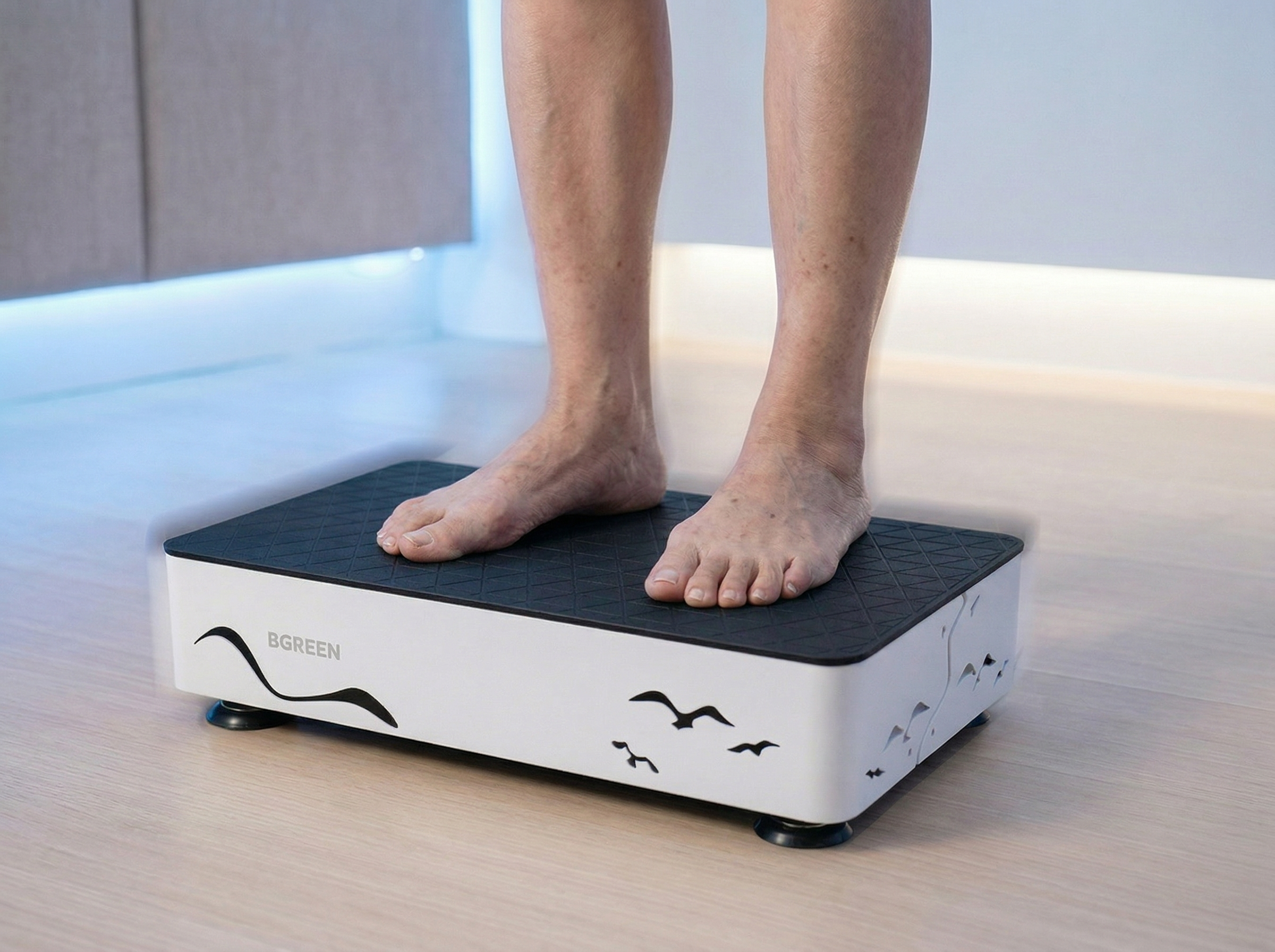
Whole Body Vibration (WBV) is a technology that delivers controlled mechanical vibrations through a platform or chair. The body responds by triggering rapid, involuntary muscle contractions — up to 30 to 50 per second — without any conscious effort or joint-loading movement.
You sit or stand. The machine does the work.
This is what we call passive exercise: physiological benefit delivered without physical exertion. For older adults who cannot safely perform conventional exercise, this is not a shortcut. It is the only viable path.
The research backing for WBV in older adult populations is substantial:
- Muscle strength: Multiple peer-reviewed studies show WBV training improves leg strength and power in older adults, with effects comparable to resistance training.
- Balance and fall prevention: WBV has been shown to significantly improve balance scores in elderly participants, directly addressing the leading cause of injury-related hospitalisation in Singapore.
- Bone density: WBV stimulates osteoblast activity — the cells responsible for bone formation — making it a practical, low-risk intervention for osteoporosis management.
- Circulation: The rhythmic muscle contractions improve peripheral blood flow, benefiting those with diabetes-related circulation issues or prolonged sedentary behaviour.
- Lymphatic drainage and inflammation: Vibration stimulates the lymphatic system, supporting immune function and reducing chronic inflammation — a key driver of age-related disease.
At Vibrahealth, we offer two clinically-validated vibration technologies: WBVV (Whole Body Vertical Vibration) and WBPA (Whole Body Periodic Acceleration), each targeting different physiological outcomes. You can read more about the science behind both on our Science page.
Passive Exercise and Singapore's Ageing-in-Place Vision
The government's push for ageing-in-place — the ability for older Singaporeans to live independently in their own homes for as long as possible — depends on maintaining physical function. Every month that an older adult can avoid a fall, a hospitalisation, or a mobility-limiting surgery is a month of independence preserved.
Whole Body Vibration fits directly into this vision:
- It requires no warm-up, no changing, no exertion — removing the friction that causes most elderly exercise programmes to fail
- Sessions are 10–20 minutes, making it sustainable as a daily or weekly routine
- It can be used seated — making it accessible to those with limited mobility or balance issues
- It complements physiotherapy and rehabilitation — many of our users come to us post-surgery or post-stroke
Staying physically capable is not vanity. For Singapore's super-aged population, it is the difference between living at home and moving into a care facility.
For Adult Children: The Most Practical Gift You Can Give
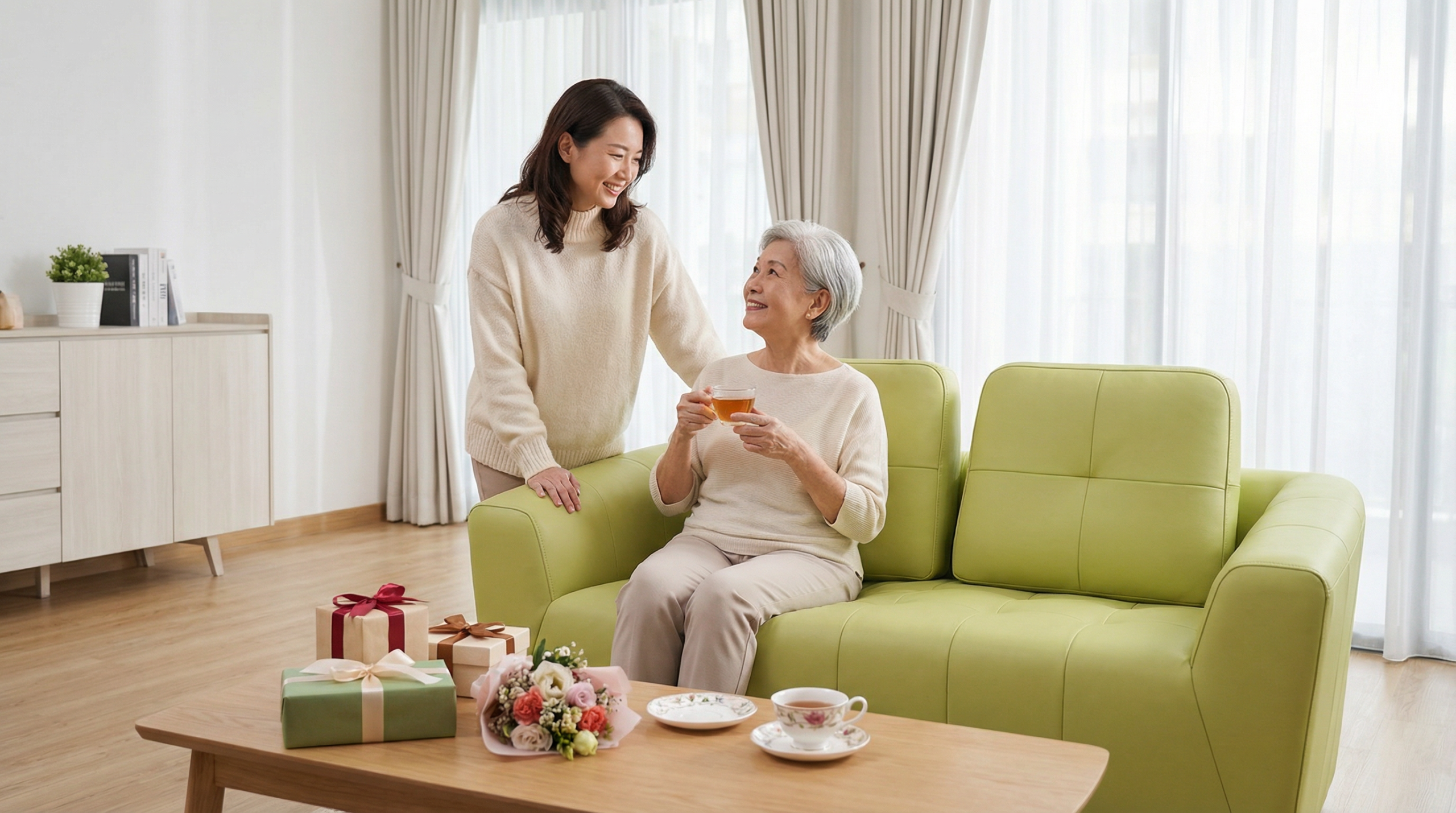
If you are reading this as a son or daughter, you already know the challenge. Convincing a resistant parent to exercise is one of the hardest conversations in caregiving. They dismiss the gym. They say they are "fine." They do not want to be a burden — and asking them to change their routine feels like an accusation.
Passive exercise sidesteps almost all of that resistance.
There is nothing to "try hard" at. There is no sweat, no exertion, no risk of looking unfit. You sit in a comfortable chair or sofa. The technology works. After 15 minutes, most first-time users tell us they feel noticeably warmer, lighter, and more mobile.
We offer a complimentary first session at our Wellness Lounge at The Adelphi — no commitment, no sales pressure. If you want to give your parent an experience rather than a conversation about exercise, our gift options are a good place to start.
For Corporates: Your Workforce Is Ageing Too
Singapore's super-aged status does not only affect retirees. With the retirement age raised to 63 and re-employment extending to 68, a significant portion of the active workforce is in their 60s — managing chronic musculoskeletal conditions, reduced energy, and longer recovery times from physical strain.
Whole Body Vibration in the workplace addresses what conventional corporate wellness programmes often miss: the physical needs of older employees who cannot participate in high-intensity fitness events but whose musculoskeletal health directly affects productivity, sick leave, and workplace injury rates.
Our MSK Wellness solutions are designed for exactly this population. Speak to us about bringing passive exercise to your office or senior workforce.
Frequently Asked Questions
What does "super-aged" mean?
A country is classified as "super-aged" when 21% or more of its population is aged 65 and above. Singapore crossed this threshold in 2026, joining Japan, Italy, Finland, and a small number of other nations at this demographic stage.
Is whole body vibration safe for elderly people?
Yes — when used correctly and with appropriate settings. WBV has been studied extensively in older adult populations. It is contraindicated for those with certain implants (pacemakers, cochlear implants) or recent fractures. At Vibrahealth, we conduct a brief health screening before every session and adjust settings for each individual. If in doubt, we always recommend consulting your doctor first.
What exercise is safe for elderly people with joint pain in Singapore?
Low-impact options include swimming, tai chi, and seated stretching. For those with significant joint pain or mobility limitations, whole body vibration (passive exercise) is one of the few modalities that delivers meaningful musculoskeletal benefit without loading the joints. Our Wellness Lounge offers a free trial so you can assess whether it is right for your condition.
Can passive exercise replace physiotherapy?
No — they serve different purposes. Physiotherapy addresses specific injury rehabilitation with trained guidance. Passive exercise through WBV supports general fitness maintenance, circulation, balance, and muscle tone. Many of our users use both in parallel, and we actively partner with physiotherapy clinics across Singapore.
How often should an elderly person use whole body vibration?
Research protocols typically involve 2–3 sessions per week of 10–20 minutes each. Consistent use over 8–12 weeks shows the most meaningful results in balance and muscle strength. For maintenance, once or twice weekly is effective.
Singapore has crossed the super-aged threshold. If you have a parent, grandparent, or older colleague who is managing the physical challenges of ageing — we would love to help. Book a complimentary session at our Wellness Lounge, or WhatsApp us to find out more.